Resource Library

Key Takeaways: Council of American Maritime Museums Conference 2026
Article
Use this for: gathering quick tips and finding ideas to steal from our peers across the country. Topics include attracting and managing visitors, wayfinding and signage, exhibits and storytelling, engaging families, and programming.
by Alex Gradwohl, Maritime Washington Program Director
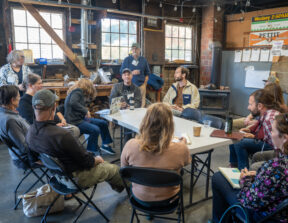
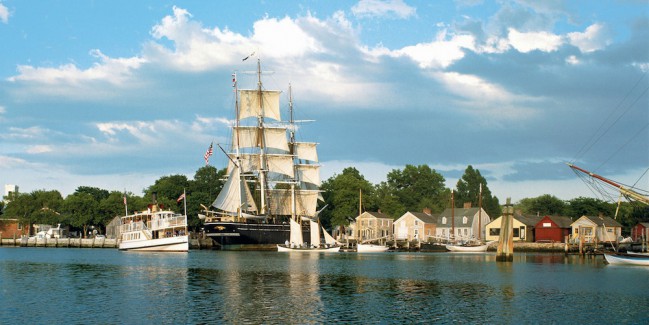
I recently attended the Council of American Maritime Museums (CAMM) 2026 conference at Mystic Seaport in Connecticut, where I spent a week learning from colleagues across the country about how they're sharing, preserving, and celebrating their maritime stories. I came home with a lot of exciting ideas—here are the ones I think are most relevant and immediately applicable for Maritime Washington Partners.
I recently attended the Council of American Maritime Museums (CAMM) 2026 conference at Mystic Seaport in Connecticut, where I spent a week learning from colleagues across the country about how they're sharing, preserving, and celebrating their maritime stories. I came home with a lot of exciting ideas—here are the ones I think are most relevant and immediately applicable for Maritime Washington Partners.
Attracting and Managing Visitors
When trying to draw new audiences, think about what already gets people excited: pirates, shipwrecks (especially famous ones like the Titanic), rum running and smuggling, or popular movies and TV shows. Meet people where their curiosity already lives. A few other takeaways:- Free admission days tend to attract wealthier, more culturally connected visitors rather than increasing access for lower-income communities—worth keeping in mind when designing your outreach strategy.
- Reducing no-shows for free events (especially boat tours or cruises) is a challenge many sites shared. A popular solution: charge a small reservation fee, then offer a refund to attendees who actually show up. Many participants chose to donate their refund back to the host.
- Visitor data collection: Check out the Collaboration for Ongoing Visitor Experience Studies (COVES), a tool for gathering demographic and motivational data from your visitors. Pricing starts at $1,000 per site but is flexible, and participation includes access to a network of peer organizations using the same framework—making it easier to benchmark and compare.
Wayfinding and Signage
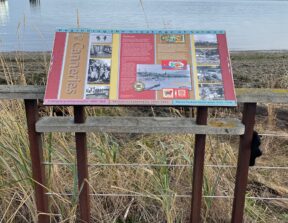
Wayfinding may be the single most important information you provide to visitors—and it starts before they even arrive.- If someone gets lost between the parking lot and your front door, you've already lost them.
- Make sure your Google listing includes a photo of your entrance, so visitors know exactly what to look for when they arrive.
- Think about the full visitor journey: from first learning about your site, through arrival, and into the visit itself. Every step is an opportunity to orient and welcome.
Exhibits and Storytelling
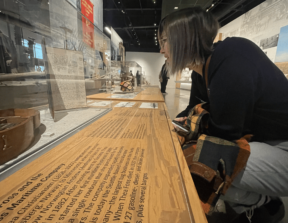
For a strong model of community-centered storytelling, look at "Hauling Back" at the New Bedford Fishing Heritage Center, which records and presents stories of multigenerational fishing families and businesses. It's a great case study for anyone interested in documenting and interpreting modern maritime trades. Temporary exhibits are being embraced by many institutions as a way to keep sites engaging and encourage repeat attendance, especially by locals. They also open new fundraising opportunities. One consistent theme: the success of temporary exhibits was closely tied to how well hosts promoted them and built related programming around them.A few standout examples from across the country:-
- Educational mini golf at the U.S.S. Constitution Museum: each hole features themed props and an interpretive panel. Staff found it effective at drawing local, repeat visitors and relatively easy to fundraise for due to its high visibility.
- Art shows: a low-lift way to activate underused pieces from your collection, or to partner with local artists to interpret your site or location.
- BRICKWRECKS: Sunken Ships in LEGO® Bricks at Mystic Seaport Museum: a turn-key traveling exhibit using LEGO recreations to explore global shipwrecks. Staff described it as low-lift operationally but expensive to host, with strong visitor engagement and success reaching new audiences—including families and adult LEGO fans.
Engaging Families and Children
- Healthy Outcomes from Positive Experiences (HOPE) research out of Tufts University documents the impact of Positive Childhood Experiences on physical and mental health. This research has demonstrated that after-school programs at museums and cultural sites provide kids with proven and measurable positive impacts, such as healthy relationships with adults, social-emotional learning opportunities, and a sense of belonging. This research gives you concrete language to use with funders (to support programming), parents (to promote it), and staff (to refine it).
- Engagefamilies.org, curated by the U.S.S. Constitution Museum, offers tools and guides for developing family-friendly exhibits
Programming Ideas to Borrow or Steal
- Behind-the-scenes collection tours with a curator, offered quarterly. These can be a free perk for members or volunteers, or a ticketed public event.
- See, Think, Wonder: Set up a pop-up table with an unusual object and invite visitors to guess what it is. Works equally well on social media with images.
- Two Truths and a Lie: Share two real historical facts and one fabrication about local maritime history or your collection and invite people to spot the lie. This can be done at events, pop-up tables, or on social media.
- Book club: Multiple sites reported strong success with themed monthly book clubs as a way to engage adults in their community.
- ARTifact: Partner with a local art teacher to host a painting class at your site—of the scenery or a collection still life. Works especially well as an adults-only after-hours event.
- Adult education lectures remain popular, especially when offered in person.
- Outreach to senior living facilities: Bring objects from your collection and host a talk on-site.
- Historic game night at a local brewery: Teach attendees a historic game and, if you have them, bring related collection pieces (cards, dice, cribbage boards) for display.
- Flash tattoo event: Partner with a local artist to create flash tattoos inspired by your site or collection. (Temporary tattoos work too!)
- "Preserving Your Family History" workshop: Teach attendees how to care for historic photos and documents.
You May Also Be Interested In: