

In February 1974, a landmark legal decision reaffirmed Tribal fishing rights in the waters of the Pacific Northwest and allocated 50% of the annual harvestable catch to treaty Tribes. Since then, Tribes in Washington have co-managed fisheries to protect salmon, fin fish, ground fish, shellfish, and other critical resources from decline. Cecilia Gobin is part of that work to protect Tribal rights and the ecosystems they depend on.
Meet Cecilia and the Northwest Indian Fisheries Commission
Cecilia is a Conservation Policy Analyst with the Northwest Indian Fisheries Commission (NWIFC), an organization that supports the 20 treaty Tribes in western Washington. The organization formed after the 1974 “Boldt Decision,” which recognized these Tribes as natural resource co-managers alongside the State of Washington. The NWIFC advises and serves Tribes at their direction and request. They research and share data about watershed health and salmon management, and provide a platform for treaty Tribes to speak with a unified voice in the region and nationally in Washington, D.C.
Cecilia works in the Environmental Protection Division of the NWIFC, which focuses on habitat protection and rules that affect treaty resources. Her department largely focuses on habitat issues related to salmon and shellfish but also addresses water quality and quantity issues. In addition, Cecilia also works on mammal issues such as pinniped (aquatic mammals like seals and walruses) predation on salmon, and also monitors recovery and conservation work on endangered species like Puget Sound Chinook salmon, Steelhead trout, and Southern Resident Killer Whales.
A Woman and a Tribal Member
In addition to her role with NWIFC, Cecilia is also a Tulalip Tribal member who grew up fishing in Washington’s waters. “I’ve been on the fishing boat since I could pretty much walk and be entrusted to hold myself upright,” she said. “It never really occurred to me until I was a little bit older that I was oftentimes the only young woman out there…I never got any pushback with respect to that, I think probably because many of our families, men and women, have a long history and lineage of coming from fishing families, and that’s just what [we do.]”



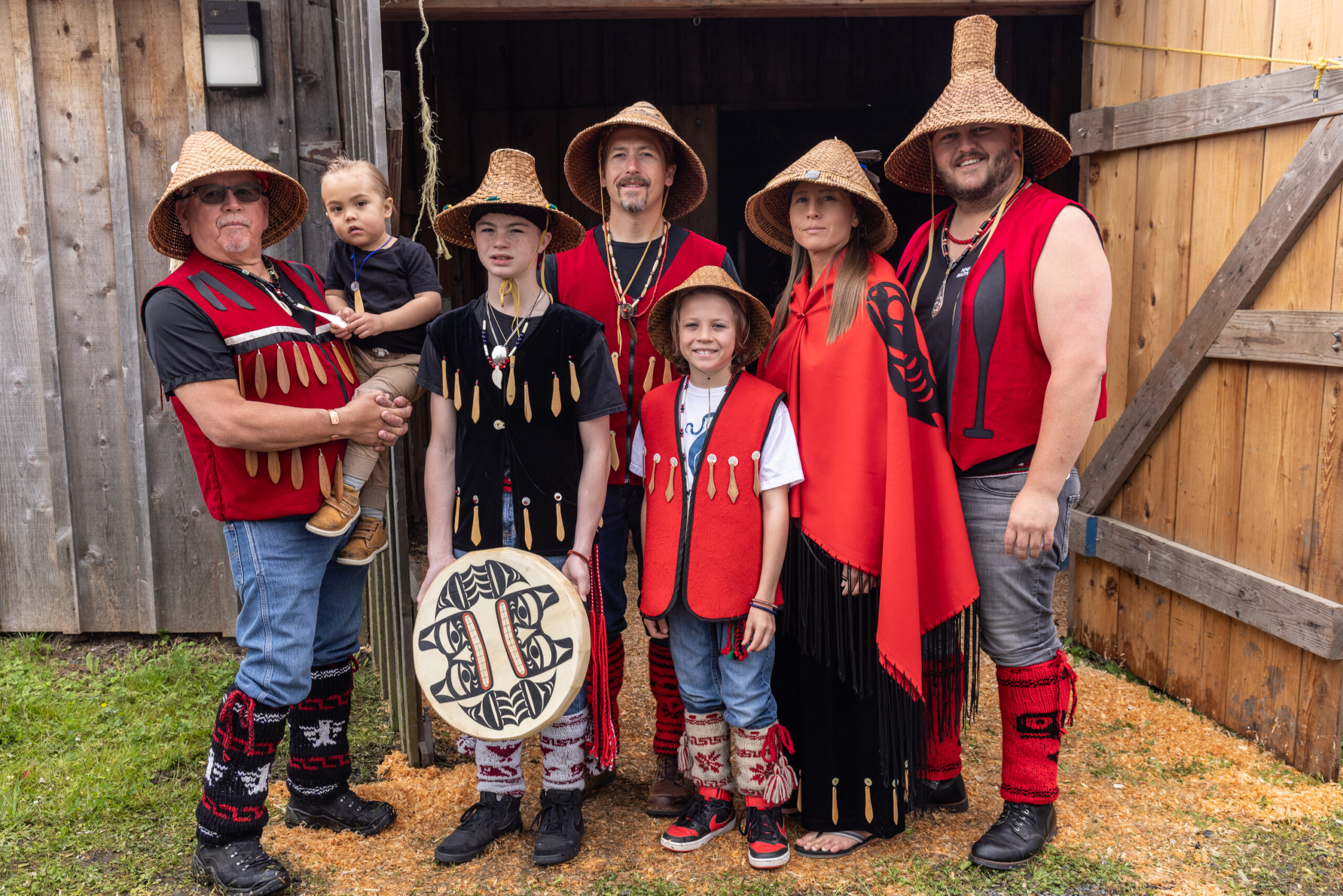
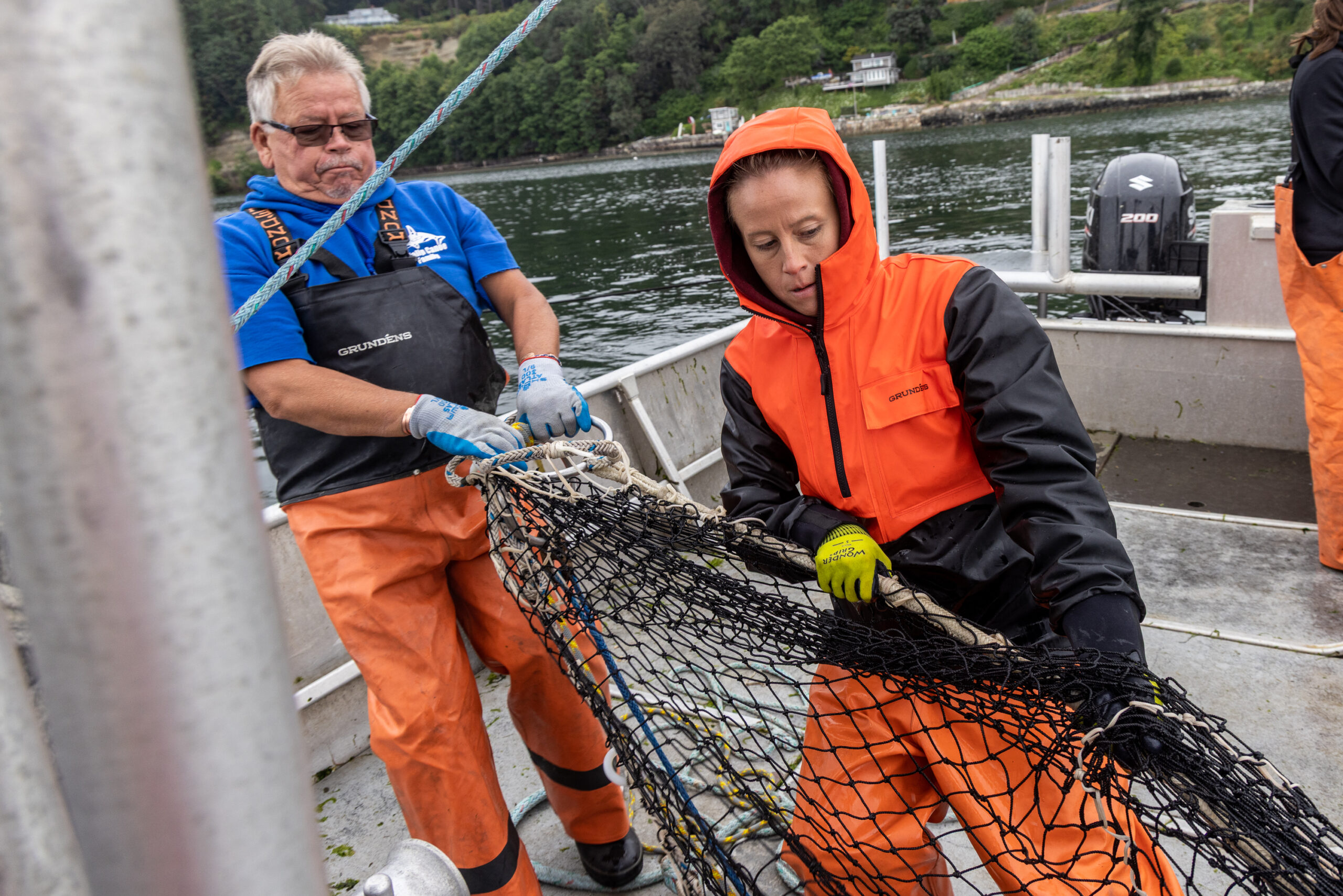
Photo and caption credit: Louise Johns
“But when I did get into my professional career…oftentimes it was very apparent that I was the only woman in a lot of these spaces, and the only Indigenous woman,” said Cecilia. “It was something that I always kind of noted and marked. [But] it was never something that I ever felt intimidated by or let it limit how I engaged in any way, and I think that’s because of how I was raised and the people that I was raised around.”
Cecilia’s family has long been involved with treaty rights issues, and with salmon recovery and fishing in particular. Her grandfather, Bernie Gobin, was on the front lines of the “Fish-ins” that led to the Boldt decision and the co-management framework that resulted in that. Building on this family legacy and 30 years of dinner table conversation where treaty rights were often the focus, and her formal education, Cecilia is now a leader in the field. When Cecilia is working, she says, “Every decision I make…is done through that lens of knowing that it’s not just going to impact people or the issue immediately, but [knowing it] is going to impact our communities and our people, generations out from today.”
Those impactful decisions are often about ensuring that the Tribe’s holistic approach to habitat, environment, harvest management, and legally binding treaty rights are being elevated, and not impinged by state, local, or federal actions.
Salmon, Watersheds, and Ways of Life at Risk
Beyond research, Cecilia works deeply with conservation policy to improve habitats and the health and stock of salmon available for fishing—not only to ensure that Tribes have what they need for subsistence, ceremony, and business, but because species like salmon and orcas are critical for the future of Washington’s ecology.


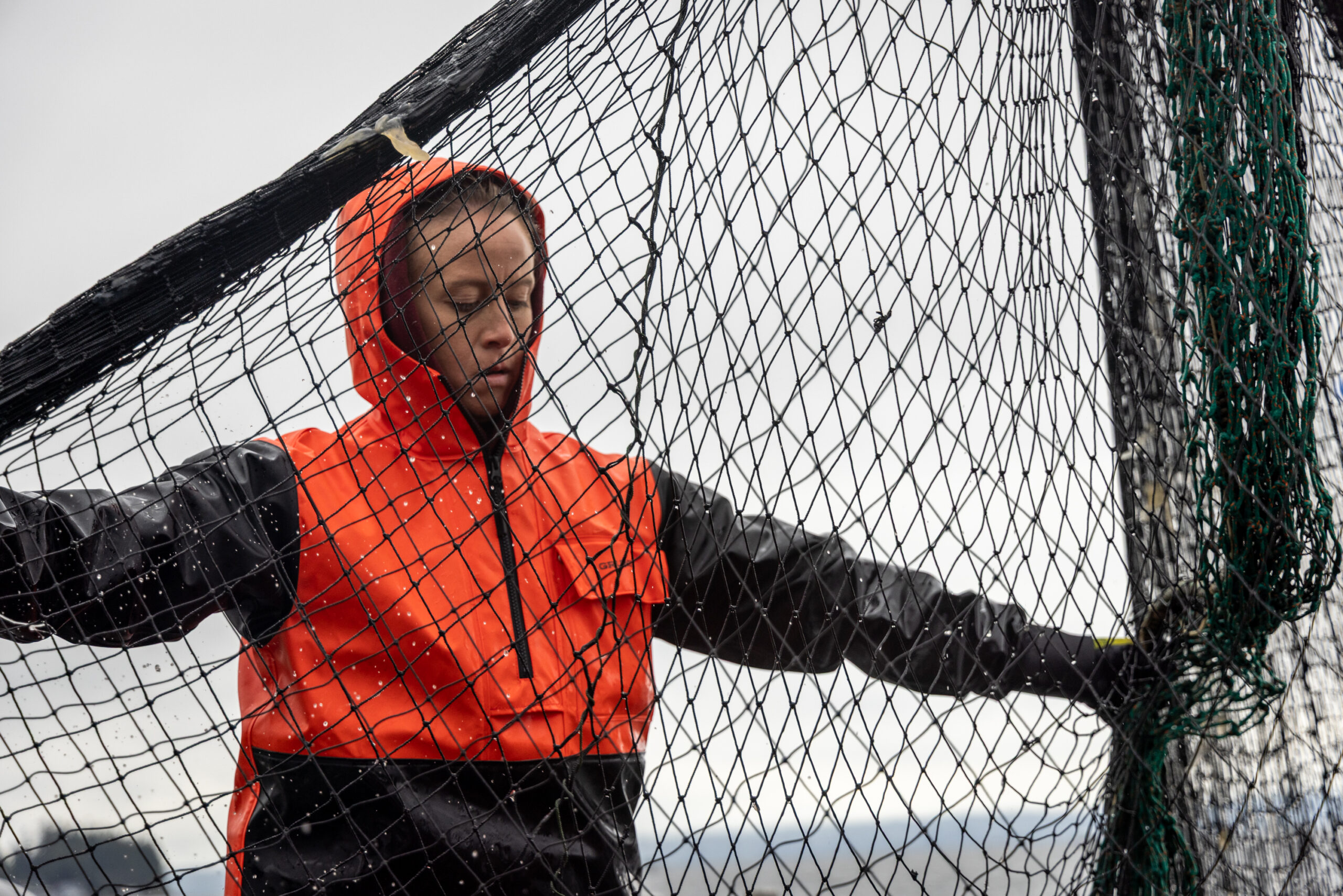
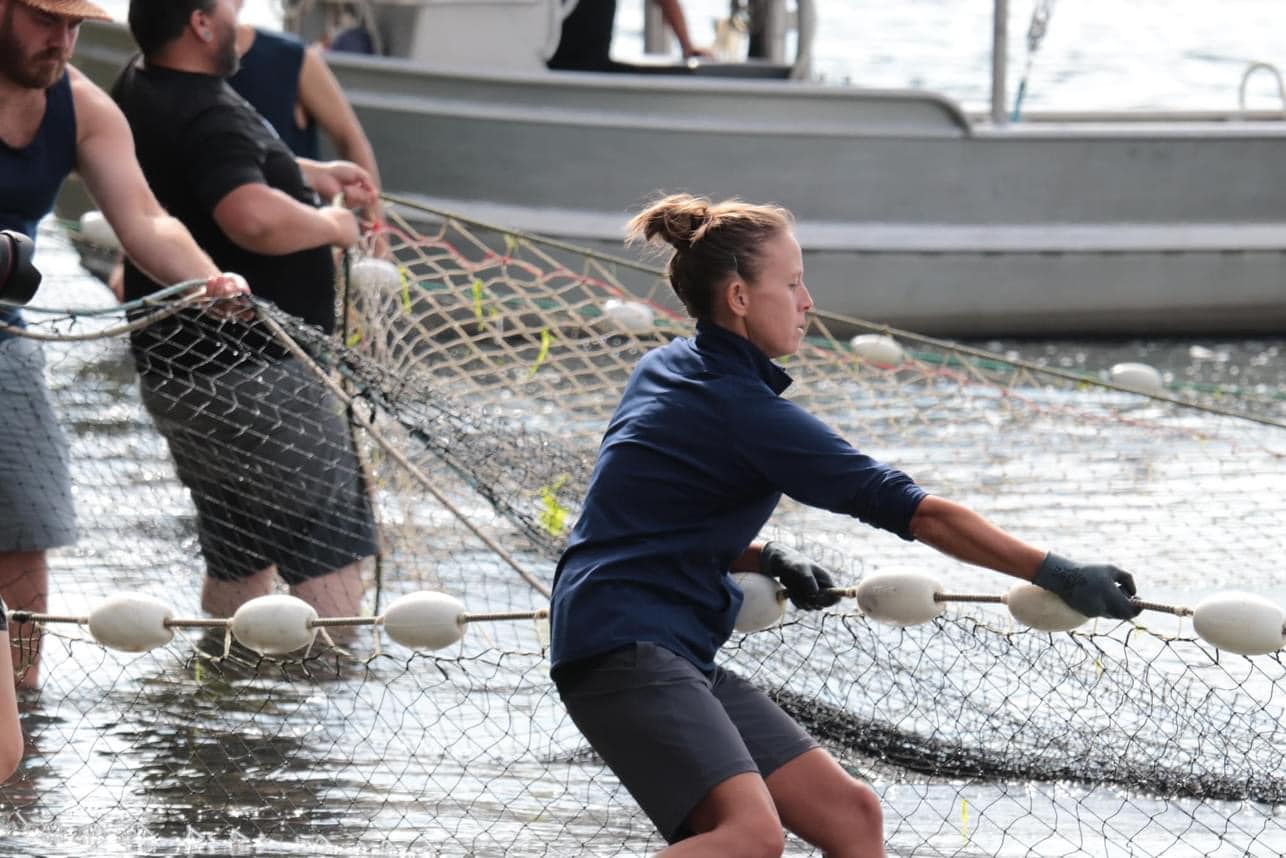
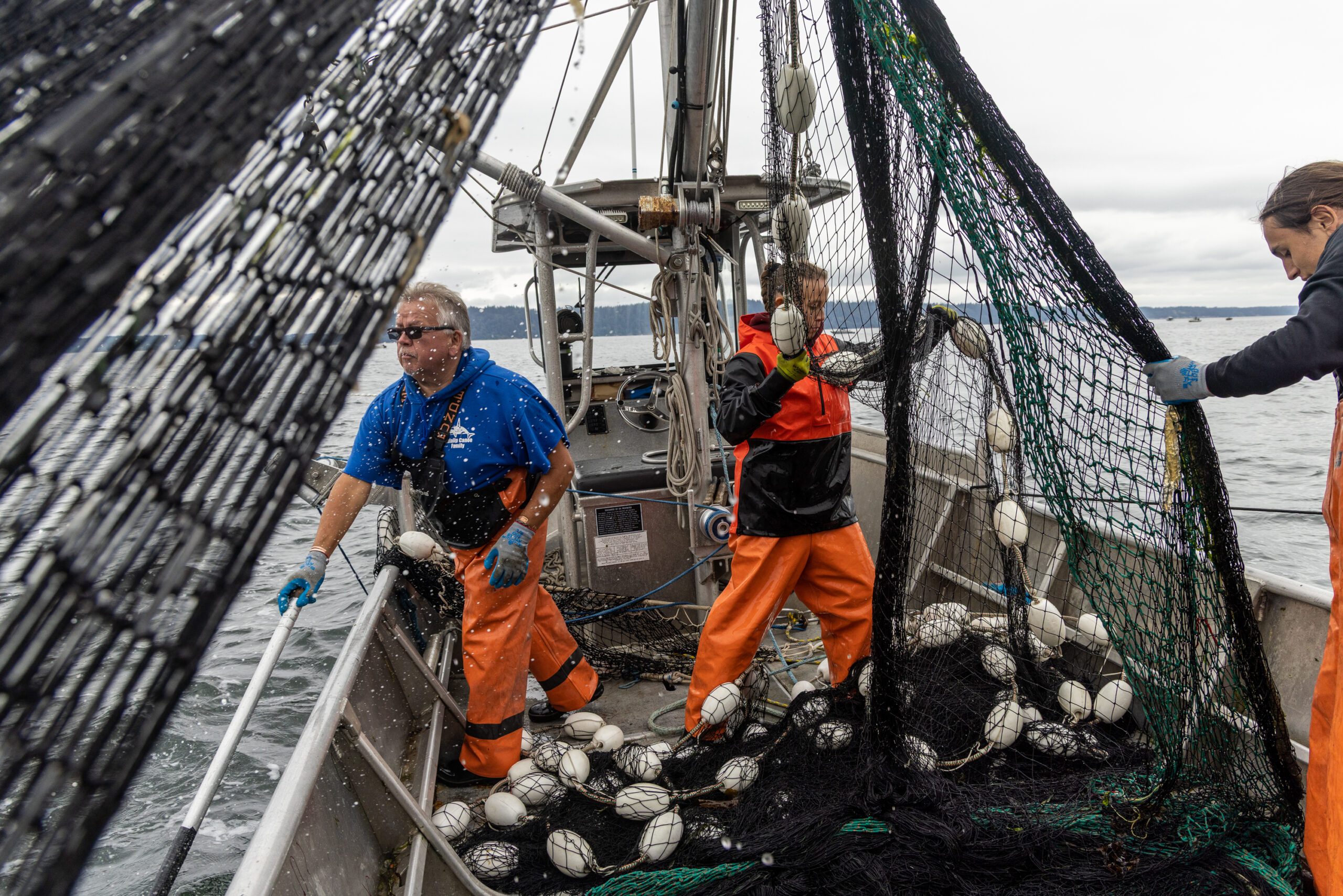
“I don’t think people have really, truly sat with or understand what is currently [happening] and what it will do to these watersheds if we lose a keystone species like salmon,” said Cecilia. “We’re losing habitat faster than we can recover it.”
Part of what drives Cecilia’s work is the very real possibility of loss for Tribes if salmon species dwindle out of existence. She’s forced to consider, if 50% of nothing is nothing, then what happens to the Tribal treaty rights?
“The Tribe’s treaty right is not a reservation of an opportunity to fish. It’s the reservation of a right to take fish, which means that we have a right to the physical fish itself —a property right, that those fish will be there, that they will be able to be caught or taken,” said Cecilia. “It’s not the opportunity to put our net in the water. It’s the guarantee that we will have access to our fishing grounds, to our fishing sites, and a guarantee that those fish will be there. And [a guarantee that] when we put our net in the water, we’ll come back up with fish,” she said.
That right is important to Tribes partially because of the deeper connection they share with salmon. Cecilia mentioned the first salmon ceremony, which celebrates and acknowledges salmon and waters that care for their people by returning the first salmon of the season to the water. “How do you hold and commemorate that first food, that first returning king salmon, when he’s no longer there anymore, when he’s not coming back home?”
Traditional Knowledge as a Path Forward
While she doesn’t discount the work that has been done to conserve salmon populations so far, Cecilia would like to see a more holistic approach to management. As for how to get there, she says that she “goes back to our traditional knowledges. I go back to our traditional ways of knowing, which [are] really grounded in our time and place, understanding of our world, of our environment, and of our people. Trying to bring out those ways of knowing and indigenize the work that we’re all here to do, which is to recover this place and to restore it and to leave it better than we found it for our future generations.”
“We have to change the way that we’re doing things, whether it’s salmon recovery, whether it’s land use, whether it’s looking at our water withdrawals…because our current trajectory is not good. In our lifetimes, we could see the last orca. We could see the slow extirpation of certain salmon species and stocks. And I don’t want to be just witnessing that,” said Cecilia.
“Whether you’re Tribal or non-Tribal, I have to think, at the end of the day, that people really do care.” Cecilia said that she is “always hopeful that we will get where we need to go, especially back to our salmon. I can’t afford to think otherwise.”